How Much Should You Budget For A Paver Patio?
- Nov 26, 2025
- 12 min read

Wondering how much to budget for a paver patio? For a straightforward 20-square-meter design, most homeowners set aside between $4,000 and $10,000. Costs depend on factors like materials, labor, site preparation, and optional extras such as borders or lighting. The type of paver you choose makes a big difference—concrete pavers tend to be more affordable, while natural stone sits at the higher end of the spectrum. Labor rates vary by region, but hiring skilled installers often pays off with a patio that’s level, durable, and drains properly. Proper preparation is key to long-term performance. Below, you’ll find a detailed cost breakdown and plenty of inspiration, whether you’re looking to keep expenses in check or add budget-friendly features that elevate your space.
Key Takeaways
Take a thoughtful approach to considering the key cost variables for a paver patio — choosing your materials, scale, design, site conditions, and labor experience — when building your budget.
Consider the long-term longevity and upkeep requirements of various paver types, including natural stone, brick, and concrete, to weigh initial expenses against future worth.
Consider any site-specific obstacles such as grading, drainage, and accessibility, as these all affect labor costs and timelines.
Consider the benefits of professional installation versus the savings and risks of DIY, particularly for complex or large patios.
Budget for hidden costs as well, such as permit fees, site prep, and unforeseen drainage solutions to avoid blowing your budget during the project.
Use smart budgeting, including phased construction, design simplification, and off-season scheduling, to keep your paver patio investment cost-effective and satisfying well into the future.
Key Paver Patio Cost Factors
A paver patio is a major investment with a lot of determining factors. Understanding cost drivers allows you to plan and avoid surprises.
Material Selection
Material selection steers the project price tag from the get-go. Concrete pavers are typically the most affordable at approximately $10–$15 per square meter. Brick and natural stone pavers, such as granite or slate, are more expensive, occasionally two to three times the cost of concrete. Natural stone provides a luxury appearance but commands higher purchase and installation fees. Longevity is important. Concrete pavers can last for decades with minimal maintenance, whereas stone and brick might require more maintenance based on the local climate. In most projects, pavers themselves make up just 20% of the budget. The remainder is for what goes below.
Project Scale
The size of your patio will have the most direct impact on your overall expenditure. Size — A bigger patio requires more materials and work, which increases costs. For instance, a $400 patio can go between $12,000 and $16,000, or about $30–$40 per square meter. Simple rectangles are simpler and less expensive than curved or multi-level layouts, which require more time and expertise. The calculator, based on total area, provides you with a realistic cost estimate. Generally, you’ll pay $10 to $24 per square meter, depending on factors like material selection and site prep.
Design Complexity
Intricate patterns like herringbone, basketweave, or custom shapes require additional effort and expertise, increasing the cost by 15–25%. Complex designs with lots of cutting or curves can add 20–40% in cost because of additional labor and waste. Simpler configurations—think straight lines—control expenses and accelerate the construction process. Extra features, such as walkways or seating, can easily be incorporated without overly complicating the plan if you keep it simple. The trick is to pair imagination with practicality so you don’t blow your budget.
Site Conditions
Soil conditions are important. Sandy or loose soil might need additional stabilization, whereas clay or rocky ground might necessitate additional grading. If your yard is steeply sloped or has tight access, be prepared to pay $2-$4 more per square meter in additional labor. Viable landscaping features, such as trees or shrubs, may have to be removed, increasing the price. Some locations may need outdoor work permits, so include those in the fees.
DIY VS. Professional Installation
This decision affects not only your budget, but the long-term quality of your outdoor space. There are advantages and disadvantages to both, so consider the time, cost, and potential risk.
The DIY Reality
DIY patio projects typically provide immediate savings. The average cost is around $12 to $17 per square metre, considerably less than the $20 to $27 per square metre you would pay a contractor. That’s because you skip the labor fees and occasionally locate supplies on sale.
The process requires more than money. It requires hours of site prep, paver plac,ement, and drainage work. Most discover it’s a project that hangs over your head longer than anticipated, so plan on dedicating a few weekends and maybe even weeks to the job. You’ll have to collect all the proper equipment–compactor, level, masonry saw, etc., and ensure that you have enough sand and gravel. Knowing how to set a solid base, cut pavers for tight edges, and keep everything level is essential for a long-lasting finish. Goofs like uneven surfaces or bad drainage can signal expensive fixes down the road. Surprise expenses, such as additional gravel or replacing broken pavers, can diminish your savings. It requires planning and patience.
The Professional Value
A pro provides experience and speed. They know how to navigate tricky site problems and can install any paver material or pattern. Their work is typically guaranteed with a warranty for the installation and often the materials. This can be a big bonus if you desire long-term peace of mind.
Professional installation – Hiring a contractor means your project goes faster. You won’t have to sacrifice multiple weekends, and you sidestep the hassle of tool rental or purchases. In addition, professional installers typically use higher-grade materials and tools, which can make your patio last for decades. Professional work increases your home’s value and attractiveness if you ever list it for sale.
Unseen Project Expenses
When you budget for a paver patio, it’s not just about materials and labor. They come with unseen project expenses that blindside most people. We are talking about site access, drainage solutions, future upgrades, permit fees, insurance, overhead, waste factor, cleanup, and even fueling. Unanticipated add-ons can arise as soon as your project kicks off—some are surprises, and others are tweaks that you incorporate along the way. It’s a smart play to reserve 10–20% of your budget as a contingency! This buffer allows you to manage those urgent costs stress-free. Overhead—insurance and licensing tack a percentage onto yours, and a 10% waste factor covers broken or wasted pavers. Excavation is another place where costs can climb quickly, particularly if surprise issues make an appearance. Cleanup, like hauling away leftover materials and truck or equipment fuel, can add up, too.
Permits And Regulations
Permit requirements vary by area, so always visit your local guidelines before beginning. Certain locations require you to obtain permits for any type of outdoor project, and fees can be quite diverse. Not having the right permits can get you a fine or even halt your build. Local authorities will help you through the process, making sure you satisfy all requirements. This step not only keeps you within the law but can save you from expensive project hold-ups as well.
Site Access
Consider how trucks and equipment will arrive at your worksite. If access is hard, like a tight driveway, fence, or steep slopes, your labor expenses can soar. Laborers may be forced to carry materials manually, impeding efficiency and increasing costs. You may have to renovate your yard or clear obstructions, teeing up additional expenses. Don’t overlook site prep — if access is bad, digging or clearing land can get pricey.
Drainage Solutions
Good drainage is a patio essential. Without it, water can pool, damage the pavers, or wash out the base. Most sites require French drains or the like, and they have their expenses. Drainage keeps your patio strong for years — this is not a corner to cut! A pro can aid you in determining what drainage fix is best for your site, which could alter your budget.
Future Enhancements
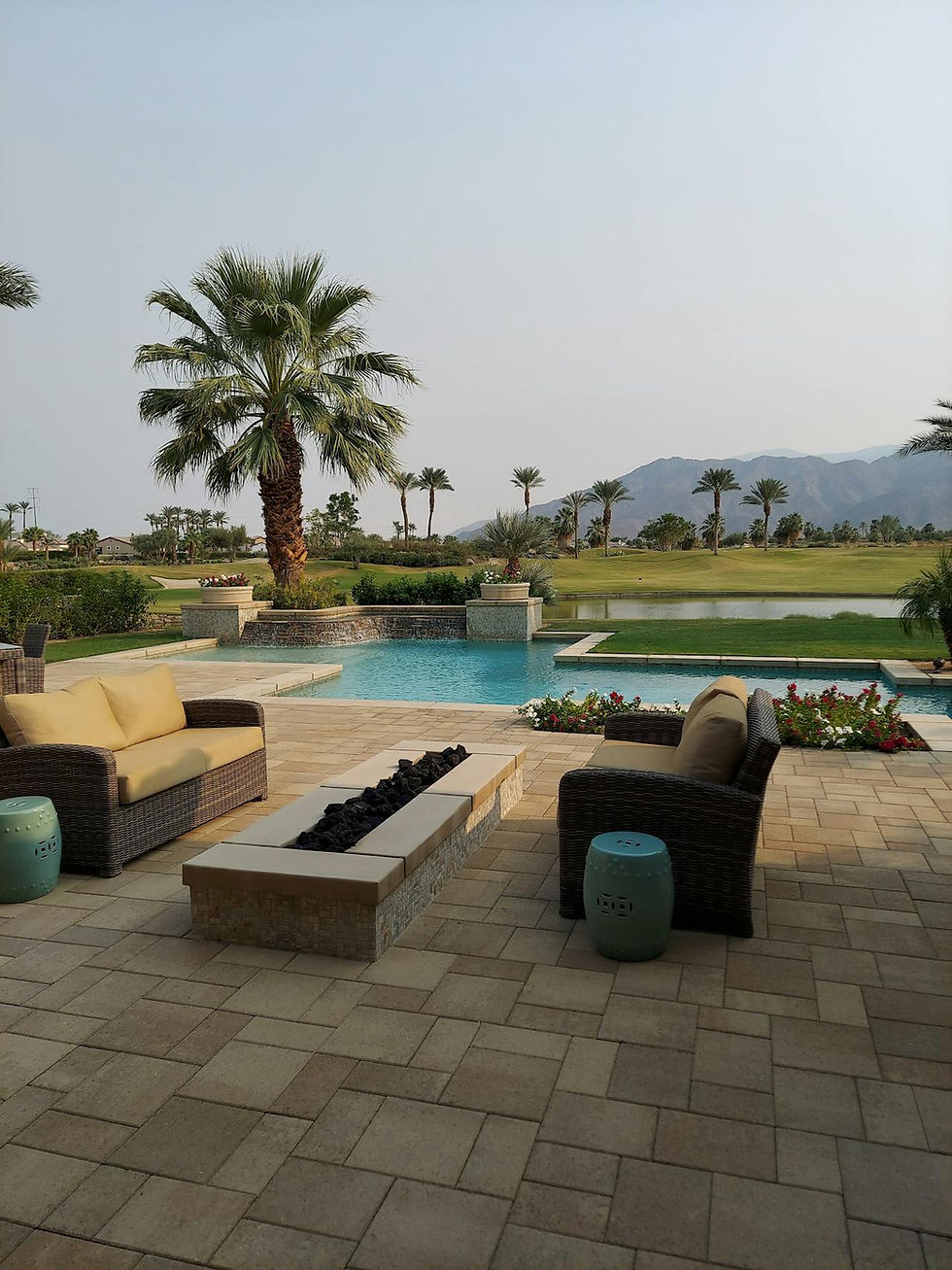
Budget for upgrades, such as exterior lighting or a fire pit, from the beginning. Seamless designs keep everything looking crisp and simplify later work. It’s savvy to see what these add-ons may cost so you’re not taken by surprise later. Build some flexibility into your budget to accommodate your growing needs.
How Location Impacts Price
Costs for labor, materials, and even rules can vary tremendously between regions. Cities tend to be more expensive because demand is strong and supply is limited, while out-of-the-way locations will probably incur higher shipping and access costs. Weather, local codes, and even the shape of the land can all increase or decrease the price. Knowing this stuff helps you budget smarter, no matter where you live.
Labor Markets
Labor rates shift by location. In large metropolitan areas, the higher cost of living tends to drive up the price of skilled labor. In rural areas, they might fall, but the pool of talented installers is smaller, too. You’ll tend to get a broad spectrum of quotes, so shop a few contractors. Check out their reviews and see some of their completed work, not just the cost.
Be careful about the time of year. Labor rates tend to spike during prime building season, particularly in locations where winters are brutal and work is only available in the warmer months. An experienced crew can cost a lot more, but it’s a lot more durable and causes fewer headaches in the long term.
Material Sourcing
Local supply chains have a huge impact on your price. If you can buy pavers locally, you save shipping and don’t have to wait as long. Pricing for plain pavers will generally be cheaper if local stores carry them in volume, but uncommon or imported styles can be considerably higher, particularly if freight shipping is involved. ALWAYS inquire about delivery fees; these can surreptitiously add a lot to your budget!
If your project site is difficult to access—steep driveways, small alleys, tight backyards—anticipate an additional $20 to $40 per square meter. This includes additional labor or specialized equipment required to position materials.
Climate Demands
Weather influences your decisions in a huge way. If you’re in an area with freeze-thaw cycles, certain paver varieties can crack — unless they’re rated for winter. Hot, dry climates tend to fade or warp others. Schedule to reseal or treat your pavers every couple of years if you want them to stay.
So, long, wet seasons can translate to additional drainage work to maintain the integrity of your patio. Upfront expenses for longer-lasting materials or sealants may be steep, but they frequently pay for themselves with fewer repairs in the future.
A Bay Area Example
Typical paver patio costs: $110–$220 per square meter (based on 2023 data)
Steep hills and restricted yard access may contribute an additional $20–$40/sqm
Strong demand and stringent local codes drive labor rates above the national average.
Local suppliers provide bulk discounts, but specialty pavers have to be shipped in from out of state.
Long-Term Financial Planning
Long-term financial planning for a paver patio means considering costs that extend well beyond the initial installation. The biggest contributors include routine maintenance, potential repairs, the expected lifespan of the materials, and how much a well-maintained patio can increase your property value. These are critical elements for crafting a smart investment that holds up for years, if not decades.
Maintenance Costs
Start with a simple maintenance checklist: sweep away debris weekly, pull weeds monthly, and seal the surface every two to three years. It’s also smart to schedule deep cleaning or stain removal annually, depending on weather exposure and how often the space is used.
Annual upkeep costs will vary depending on the material used. For concrete pavers, anticipate sealing and minor patchwork to cost approximately $10–$15 per square foot per year. Natural stone may require less frequent sealing, but can be more expensive to repair. In wetter or variable climates, it’s wise to reserve extra for moss removal or joint stabilization.
Putting off regular maintenance can lead to bigger repair bills later. Water seepage, shifting pavers, or invasive weed growth may force you to replace entire sections instead of just fixing problem areas. A little care upfront saves a lot in the long run.
Deep cleaning or restoration services can rejuvenate an aging patio. While these services may run up to $20 per square foot, they often extend the lifespan of the patio and help avoid costly replacements.
Repair VS. Replace
When only a few pavers are chipped or cracked, replacing individual stones is far more cost-effective than tearing everything out. But if the damage is structural—like sinking or widespread shifting—it may require partial or full replacement.
The age of your patio is also a factor. If it’s more than 20 years old, it might be more economical to start fresh. Natural stone can last 50+ years, while concrete pavers typically need replacement after 25 to 30 years if not regularly maintained.
DIY repairs like refilling sand joints or swapping out a paver can help keep expenses low if you're confident in your skills. However, more intricate patterns or layouts can increase labor costs by 15–20%.
A solid base can save a patio. If the foundation is still stable and only the surface has issues, targeted repairs are a smart move. But for systemic problems, full replacement may be the more reliable (and cost-effective) option.
Return On Investment
A beautiful, professionally installed paver patio adds major curb appeal and resale value. Many homeowners recover 50% to 75% of their investment when it's time to sell.
Outdoor living spaces are a growing priority for buyers. In areas where backyard enhancements are a selling point, a clean, well-maintained patio can distinguish your property and result in higher offers and faster sales.
Track your total costs—including materials, installation, and upkeep—and compare with similar homes in your area to estimate your long-term ROI.
Lifespan And Seasonal Scheduling
High-quality materials like natural stone often last up to 50 years, sometimes more. Concrete pavers typically offer 25–30 years of life when regularly sealed and maintained. Always budget an additional 10% for material overages to account for cuts, waste, or future repairs.
Consider scheduling your patio installation in the fall or winter. Contractors may offer discounts during the off-season, helping you reduce your upfront costs. Investing a bit more in expert craftsmanship and premium materials now can translate to fewer repairs and more enjoyment over the decades to come.
Smart Budgeting Strategies
As we all know, building a paver patio is a big investment, and smart budgeting is your key to keeping the project on track. A really good ground-up plan will account for every cost — materials, labor, site prep, delivery, and cleanup. Labor will frequently fall between $6–$8 per square meter, while all-in project expenses can settle anywhere from $10 to $25. Include a 10–20% buffer for surprises, as unforeseen site problems or material delays can escalate costs. Weekly budget check-ins keep you honest, while a contingency fund handles the last-minute shifts.
Phased Construction
At least a phasing approach allows you to split the project into manageable chunks. Start with basics like the main patio surface, then add bonuses like lighting or built-in seating when you can afford it.
This approach keeps the design cohesive and smooths the cash flow. Planning each phase in detail will help you avoid mismatched features or functionality gaps. For instance, complete the patio base first, and add landscaping and décor down the road.
Material Choices
Material | Average Cost per m² | Pros | Cons |
Concrete Pavers | $15–$30 | Durable, many styles | Mid-to-high cost |
Stamped Concrete | $12–$20 | Affordable, low maintenance | Can crack, less unique |
Natural Stone | $20–$40 | Premium look, long lifespan | Expensive, needs sealing |
Gravel | $8–$15 | Cheap, easy DIY | Less stable, weeds are possible |
Gravel or stamped concrete can save you $1,300–$3,800 versus pavers. Always look into long-term expenses—pavers can last a good 50 years or so, so they might minimize replacements. Striking the balance between style and practicality stretches the budget.
Design Simplification
A minimalist patio design saves money, but still appears handsome. Rather than lots of small features, select a couple of audacious ones. Standard shapes and patterns result in less waste and faster installation. For instance, a rectangular patio with a single central fire pit requires fewer materials and labor than complex curves or mosaics! Minimalist layouts can appear trendy and sleek while being cost-effective and time-saving.
Off-Season Scheduling
Design your off-season for savings. Contractors will often drop rates outside of their busy months, and suppliers sometimes run promotions. Less competition for labor and materials = fewer delays and more attention from crews. Punch work when it’s slower to keep the project moving without additional charges.
Conclusion
To budget for a paver patio, plan carefully. Measure, select, and consider labor. Determine additional expenses, such as base preparation or delivery. Check the weather around you, as wet/hot spots can alter the cost. Take actual numbers, not estimates, at each step. For a petite patio, budget a minimum of a couple of thousand bucks. Large patios with upscale pavers or professional crews are way more. Reserve some money for unexpected expenses. Choose what fits your space, your needs, and your budget. For more tips or to discuss your patio plans, join the chat below or return to the blog.
Frequently Asked Questions
1. How Much Does A Paver Patio Typically Cost Per Square Meter?
A paver patio typically comes in at around €50 to €150 per square meter. This cost varies based on materials, labor, and location. As always, get local quotes for the best estimate.
2. Is It Cheaper To Build A Paver Patio Yourself?
Sure, if you install it yourself, you save the labor. You might require special tools and expertise. Errors are costly — think about your experience before going this route.
3. What Hidden Costs Should I Expect With A Paver Patio Project?
Typical hidden expenses are site prep, delivery fees, dumpster rental, and potential permits. Just be sure to always request a thorough estimate so you’re not hit with any unexpected costs.
4. How Does Location Affect The Cost Of A Paver Patio?
Material costs, labor rates, or local building codes can affect the final cost. Urban areas can be more expensive than rural areas. Local price variations always apply.
5. What Is The Average Lifespan Of A Paver Patio?
A properly installed paver patio could last 20-30 years or more, given correct care. With maintenance such as cleaning and repairs when needed, it can last a long time.
6. Can A Paver Patio Increase My Property Value?
Yes, a nice paver patio can increase property value and curb appeal. It adds functional outdoor space, and buyers love that.
7. How Can I Budget Smartly For A Paver Patio?
Set a firm budget, shop several estimates, and leave room for 10–15% over unforeseen costs. Trust me, good stuff and good installers will save you money in the long run.
Ready To Build Your Dream Patio? Let’s Make It Happen!
Looking to transform your outdoor space without blowing your budget? At DPG Outdoor Living, we help Bay Area homeowners bring their dream patios to life—on time, on budget, and built to last. Whether you're working with a tight space, navigating steep access, or simply unsure which paver material fits your style and wallet best, our expert team is here to guide you through every step, from design inspiration to final installation. Want to know exactly what your paver patio will cost? Start planning with a free estimate—contact us today and take the first step toward a beautiful, durable outdoor living space designed just for you.


Comments